Key Takeaways
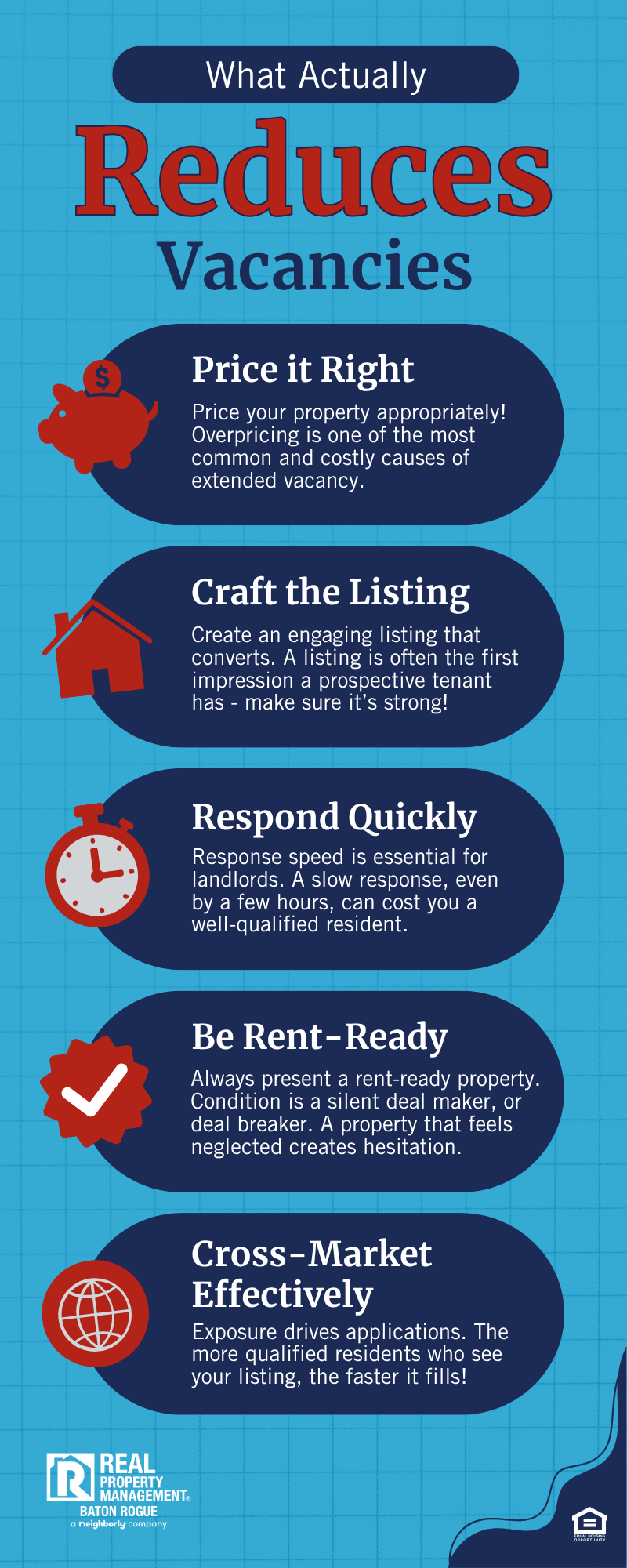
Vacancy is one of the biggest threats to rental income. The most effective way to reduce it is through a combination of accurate pricing, high-quality marketing, fast communication, strong property condition, and broad listing exposure. Landlords who apply these five strategies consistently see shorter vacancy periods and stronger long-term returns — regardless of market conditions.
Why Vacancy Rates Matter More Than Ever
Vacancy is one of the most direct threats to
rental property profitability. Every day your unit sits empty, you lose income — while still covering mortgage payments, utilities, and maintenance costs.
The numbers reinforce the urgency. According to the U.S. Census Bureau, the
national rental vacancy rate reached 7.2% in Q4 2025 — a level that signals real competition among landlords in many markets. Even one month of vacancy per year can reduce your annual rental income by 8–10%, and that’s before factoring in turnover costs like cleaning, repairs, and re-marketing.
The good news? Vacancy is largely within your control. It’s not about luck — it’s about strategy. Below are five proven approaches to reduce vacancy, attract qualified tenants, and keep your rental performing consistently.
1. Price It Right From Day One
Overpricing is one of the most common — and most costly — causes of extended vacancy. It may feel safer to start high and negotiate down, but this strategy often backfires. Fewer inquiries come in, days on market stretch out, and
price reductions become necessary anyway — often after the best prospects have already moved on.
Properties priced correctly from the start tend to:
- Attract more qualified applicants immediately
- Spend fewer days on market overall
- Generate stronger initial interest and more showing requests
- Avoid the stigma that comes with repeated price drops
The first one to two weeks on the market are critical. This is when your listing gets the most organic visibility. Use that window wisely by researching comparable rentals in your area and
pricing competitively from day one.

2. Create a Listing That Converts (Photos + Description)
Your listing is often the first — and sometimes only — impression a prospective tenant has of your property. A weak listing means missed opportunities, even if the property itself is excellent.
Strong listings combine professional-quality photos with clear, compelling descriptions. Images should be bright, well-staged, and taken from flattering angles. Descriptions should go beyond listing features — they should help renters picture their life in the space.
Think about what makes your property stand out:
- Natural light, updated finishes, or outdoor space
- Proximity to transit, schools, or employment centers
- Recent upgrades like new appliances or in-unit laundry
- Pet-friendly policies or flexible lease terms
With the vast majority of
rental searches beginning online, digital presentation has become one of the most important levers a landlord can pull. A listing that looks polished and professional builds trust before a showing even happens.
3. Respond Quickly and Remove Friction
Speed matters more than most landlords realize. Today’s renters are often reaching out to multiple properties at the same time. A slow response — even by a few hours — can cost you a well-qualified tenant.
Fast communication signals professionalism. It also builds confidence that you’ll be responsive as a landlord throughout the lease. Industry data from property management platforms consistently shows that faster response times lead to higher conversion rates from inquiry to application.
Here’s where friction most often kills momentum:
- Delayed replies to inquiries (aim for under 2 hours during business hours)
- Complicated or unclear showing scheduling
- Slow follow-up after tours
- Application processes that are hard to navigate
Streamlining each of these touchpoints keeps prospective tenants engaged and moves them through the process before they commit elsewhere.

4. Present a Rent-Ready Property
Condition is a silent deal-maker — or deal-breaker. A clean, well-maintained, move-in-ready property builds confidence. A property that shows deferred maintenance or feels neglected creates hesitation, even when priced competitively.
Property condition is consistently cited as one of the top factors influencing renter decisions, particularly in markets where supply has increased and renters have more choices. With rental vacancy rates rising in many regions, tenants can afford to be selective.
Before listing, make sure to:
- Complete all minor repairs (leaky faucets, sticking doors, burnt-out bulbs)
- Deep clean every room, including appliances and windows
- Verify that all major systems — HVAC, plumbing, electrical — are functioning
- Add fresh paint or touch-ups where needed
- Ensure the exterior and entryway make a strong first impression
A move-in-ready property doesn’t just lease faster — it also attracts tenants who take better care of the home.
5. Market Across the Right Channels
Exposure drives applications. The more qualified renters who see your listing, the faster it fills. Limiting yourself to a single platform limits your reach — and in a more competitive rental environment, that’s a risk you don’t need to take.
Distributing your listing across multiple rental platforms — such as Zillow,
Apartments.com,
Realtor.com, Facebook Marketplace, and others — significantly increases visibility. It also helps you reach different renter demographics who may prefer one platform over another.
Consistent, accurate information across all platforms is equally important. Discrepancies in pricing, availability, or unit details erode trust and create confusion. When possible, use property management software or syndication tools to keep listings current and uniform across channels.
How Professional Property Management Reduces Vacancy
Each of these five strategies requires time, consistency, and local market knowledge. Pricing research, listing creation, inquiry management, property preparation, and multi-channel marketing all need to happen in coordination — and they need to happen quickly when a unit turns over.
Professional property management teams handle all of this systematically. They bring market data, established processes, and the tools needed to reduce vacancy and protect your investment’s long-term performance.
Ready to Minimize Vacancy and Maximize Returns?
If you’re looking to minimize vacancy, attract qualified tenants, and improve your rental performance, contact our team today to learn how we can help you lease your property faster and more efficiently.